Area rugs do a lot more than complete the look of a room. They add warmth, comfort, and character while also protecting your floors from everyday wear. However, even the most beautiful rug can lose its appearance and durability if it is not maintained properly.
Vacuuming is one of the simplest and most important parts of rug care. Yet many homeowners unknowingly damage their rugs by using the wrong vacuum settings, cleaning too aggressively, or overlooking certain areas altogether.
The good news is that keeping your area rug in great condition does not require complicated cleaning routines. A few simple habits can help remove dirt, protect delicate fibres, and extend the life of your rug for years to come.
In this guide, we’ll cover the essential do’s and don’ts for vacuuming an area rug, common mistakes to avoid, and practical tips to help you keep your rug looking its best.
Why Proper Vacuuming Matters for Area Rugs
It’s easy to think of dirt as a cosmetic issue, but the impact goes much deeper than appearance.
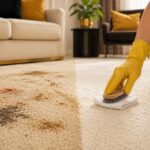
Every day, dust, grit, pet hair, and debris settle into your rug’s fibres. As people walk across the rug, these particles act like tiny abrasives, gradually wearing down the fibres and causing premature damage.
Regular vacuuming helps prevent this build-up before it has a chance to affect the rug’s condition.
Proper vacuuming can help:
- Remove dirt before it becomes embedded in the fibres
- Improve indoor air quality
- Reduce allergens and pet dander
- Maintain the rug’s appearance and texture
- Extend the lifespan of the rug
Think of vacuuming as preventative rug maintenance. The more consistently you remove dirt and debris, the less likely your rug is to experience unnecessary wear.
Recommended Vacuuming Tips for Rugs
Not all rugs should be vacuumed the same way. Different materials and constructions require different levels of care.
Here’s a simple guide to help you choose the right settings.
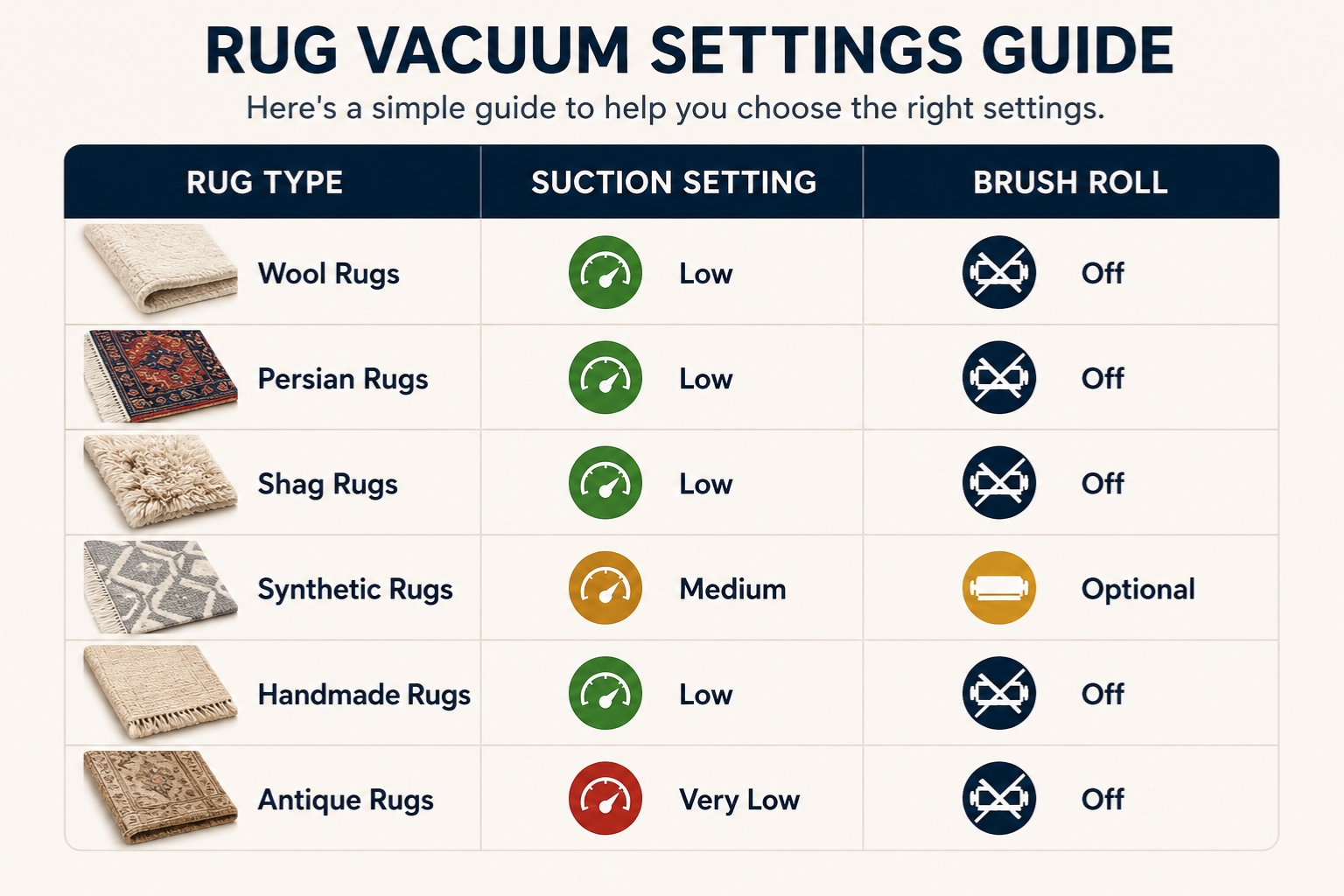
If you’re ever unsure, start with the gentlest setting and increase only if necessary.
Do’s of Vacuuming an Area Rug
Vacuum Regularly Based on Foot Traffic
One of the biggest mistakes homeowners make is waiting until a rug looks dirty before cleaning it.
By the time dirt becomes visible, much of it has already worked its way deep into the fibres.
As a general rule:
| Location | Recommended Frequency |
| Entryways | 2–3 times per week |
| Living Areas | 2–3 times per week |
| Bedrooms | Once per week |
| Decorative Rugs | Every 1–2 weeks |
If you have pets, young children, or allergy concerns, you may need to vacuum more frequently.
Use the Right Vacuum Settings
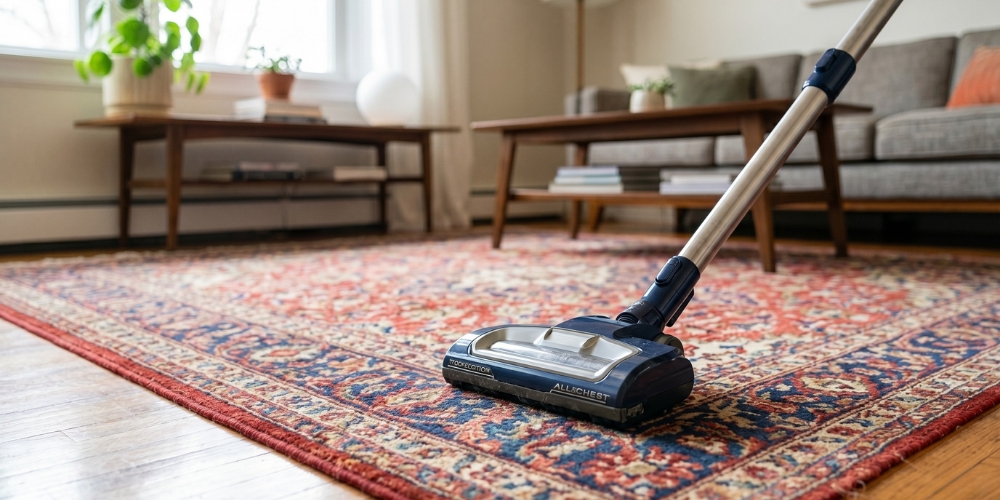
Many modern vacuums include adjustable height and suction settings. Taking a few seconds to adjust these settings can make a significant difference.
High suction may seem more effective, but it can place unnecessary stress on delicate fibres. Lower settings are generally safer for wool, Persian, and handmade rugs.
If your vacuum has a rotating brush roll, turn it off when cleaning delicate rugs.
Vacuum in the Direction of the Pile
The pile refers to the direction in which the rug fibres naturally lay.
Vacuuming with the pile helps remove dirt while reducing strain on the fibres. It also helps preserve the rug’s texture and appearance over time.
A simple way to identify the pile direction is by running your hand across the surface. One direction will feel smoother than the other.
Use Attachments for Edges and Tight Spaces
Dust and debris often collect around furniture, along skirting boards, and near the edges of rugs.
Instead of forcing a large vacuum head into these areas, use a crevice tool or upholstery attachment. This allows you to clean thoroughly without putting unnecessary pressure on the rug.
Rotate Your Rug Every Few Months
Rugs rarely wear evenly.
Sunlight, furniture placement, and foot traffic often affect certain sections more than others. Rotating your rug every six to twelve months helps distribute wear more evenly and keeps the rug looking balanced.
Don’ts of Vacuuming an Area Rug
Don’t Use Excessive Suction
More suction does not always mean a cleaner rug.
In fact, excessive suction can pull on fibres, loosen knots, and accelerate wear. This is especially important for handmade, wool, and Persian rugs.
If your rug lifts off the floor while vacuuming, reduce the suction immediately.
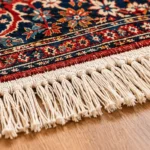
Don’t Vacuum Fringes
Fringes may look sturdy, but they are often one of the most delicate parts of a rug.
Running a vacuum directly over the fringe can cause tangling, fraying, and breakage. Over time, this can affect both the appearance and structure of the rug.
Instead, gently shake out loose debris or use a handheld attachment.
Don’t Use a Beater Bar on Delicate Rugs
Beater bars are designed for carpets, not delicate area rugs.
The spinning brush can snag fibres, loosen threads, and create unnecessary wear.
Avoid using a beater bar on:
- Persian rugs
- Wool rugs
- Handmade rugs
- Antique rugs
- Oriental rugs
For these rug types, suction-only cleaning is usually the safest option.
Don’t Vacuum Wet or Damp Rugs
Vacuuming a damp rug can lead to several problems.
Moisture can become trapped inside the vacuum, create unpleasant odours, and increase the risk of mould growth.
Wet fibres are also more vulnerable to stretching and distortion.
Always allow a rug to dry completely before vacuuming.
Don’t Ignore Signs of Wear
Loose fibres, frayed edges, excessive shedding, and fading are all signs that your rug may need special attention.
Continuing to vacuum aggressively when these issues appear can make the problem worse.
If you notice significant wear, it may be time for professional rug cleaning and assessment.
How to Vacuum Different Types of Area Rugs
Wool Rugs
Wool rugs are naturally durable, but they benefit from gentle care.
Use low suction settings and avoid rotating brushes. Some shedding is normal, especially when the rug is new.
Persian Rugs
Persian rugs often contain delicate natural fibres and intricate craftsmanship.
Vacuum gently, avoid brush rolls, and pay special attention around the edges and fringe. Regular maintenance helps preserve their beauty and longevity.
Shag Rugs
The long fibres of shag rugs can easily become tangled.
Use a suction-only setting and vacuum carefully. In some cases, shaking the rug outdoors can help remove loose debris between vacuuming sessions.
Synthetic Rugs
Synthetic rugs are generally easier to maintain and can tolerate moderate suction levels.
Regular vacuuming helps prevent dirt from becoming embedded in the fibres.
Handmade and Antique Rugs
These rugs often require a more delicate approach.
Gentle vacuuming can help remove surface dirt, but periodic professional cleaning is essential to maintain their condition and value.
Common Vacuuming Mistakes That Can Shorten a Rug’s Life
Even well-intentioned cleaning habits can contribute to wear over time.
Some of the most common mistakes include:
- Vacuuming too aggressively
- Using the wrong vacuum settings
- Ignoring manufacturer care instructions
- Allowing dirt to accumulate for long periods
- Forgetting to clean edges and corners
- Using brush rolls on delicate rugs
Small adjustments to your cleaning routine can make a significant difference in preserving your rug.
A Simple Step-by-Step Guide to Vacuuming an Area Rug
If you’re unsure where to start, follow this straightforward process:
Step 1: Remove Loose Debris
Pick up any larger debris by hand before vacuuming.
Step 2: Adjust Your Vacuum Settings
Choose the appropriate suction level and switch off the brush roll if necessary.
Step 3: Vacuum Slowly
Work in slow, overlapping passes following the direction of the pile.
Step 4: Clean Around the Edges
Use attachments to remove dust and dirt from hard-to-reach areas.
Step 5: Inspect the Rug
Check for loose fibres, damaged fringe, or signs of wear.
Step 6: Rotate the Rug
Rotate periodically to encourage even wear and prolong the rug’s lifespan.
Frequently Asked Questions
How often should you vacuum an area rug?
Most rugs benefit from weekly vacuuming. High-traffic areas may require cleaning two or three times per week.
Can vacuuming damage an area rug?
Yes. Using excessive suction, brush rolls, or improper techniques can damage fibres and shorten the rug’s lifespan.
Should you vacuum both sides of a rug?
Occasionally vacuuming the underside can help remove deeply embedded dirt. Always check the manufacturer’s recommendations first.
Is a robot vacuum safe for area rugs?
It depends on the rug type. Rugs with long fibres, delicate materials, or fringe may not be suitable for robot vacuums.
When should an area rug be professionally cleaned?
Most area rugs benefit from professional cleaning every 12 to 18 months, depending on foot traffic, pets, and household conditions.
Final Thoughts
Vacuuming may seem like a simple task, but using the right techniques can make a noticeable difference in the appearance and lifespan of your rug. Regular maintenance helps remove abrasive dirt, reduce allergens, and keep fibres looking their best.
Whether you own a modern area rug, a luxurious wool rug, or a treasured Persian rug, a little extra care can go a long way toward protecting your investment.
While routine vacuuming is essential, it is only one part of a complete rug care routine. Professional cleaning helps remove deeply embedded dirt, allergens, and contaminants that regular vacuuming cannot reach.
At Devine Rug Care, we understand that every rug requires a tailored approach. Our experienced team specialises in cleaning and caring for a wide range of rugs, helping homeowners maintain their beauty, cleanliness, and longevity for years to come.